Taxi Meter on Phu Quoc: How It Works and How to Check
Editorial team · Checked 5 November 2026
In short
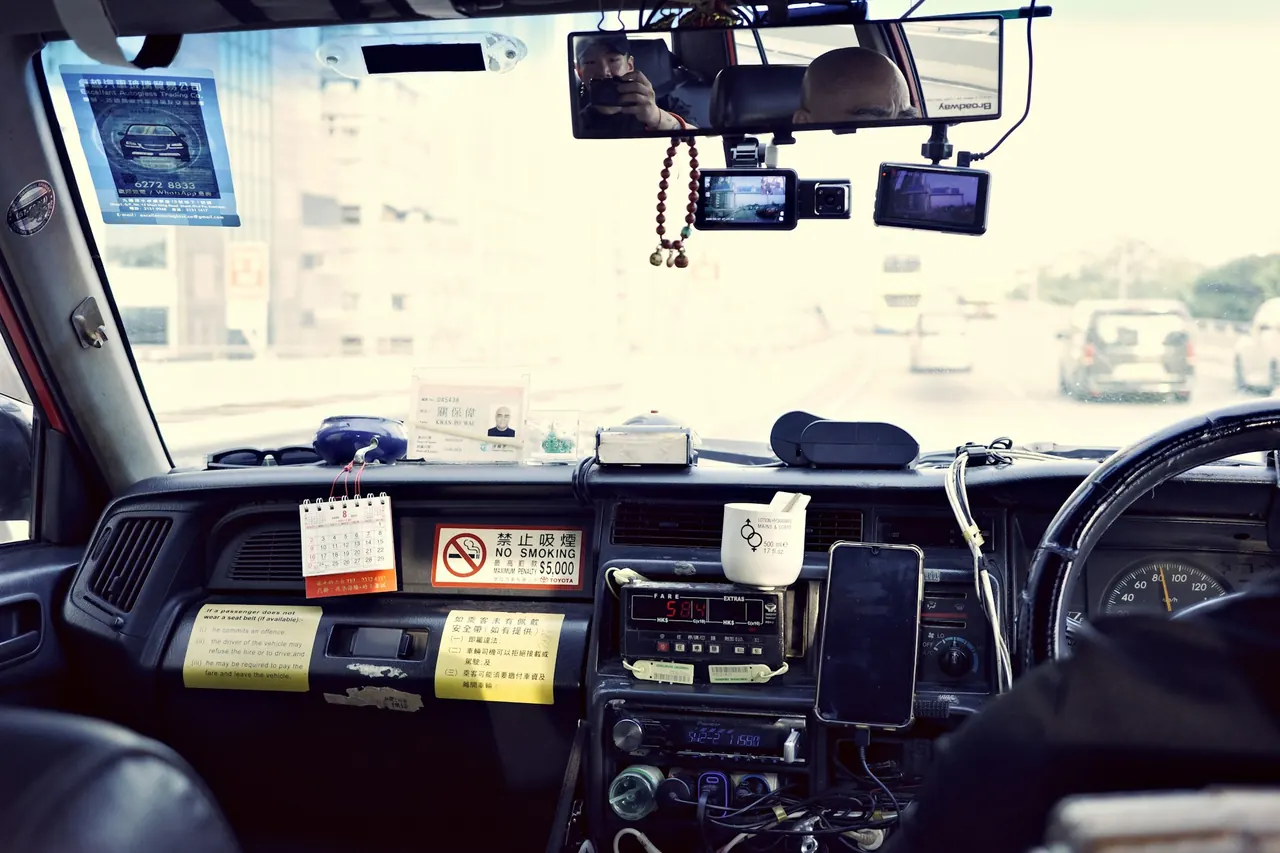
Most Phu Quoc taxis use a meter that should start at the opening fare when the ride begins. Check it is running before the car moves, watch it closely at the start and follow the route on a map.
Most taxis on Phu Quoc use a meter. It starts at an opening fare, called the flagfall, when the ride begins, and the fare then rises with the distance and the time. Before the car moves, check that the meter is switched on and showing the starting amount. Watch it for the first 30 seconds and follow the route on a map.
How is a taxi fare calculated on Phu Quoc?
The fare is an opening amount plus a charge that grows as the car travels.
When the ride starts, the meter shows the base fare, also known as the flagfall. As the car moves, the display rises with the distance travelled. In slow traffic or when the car is waiting, most meters also add a small charge for the time. The result is what you pay at the end, unless you agreed something different before you set off.
Rates differ by company and by type of vehicle. We do not give one number here, because figures differ by operator and change over time. A guide to typical prices is on the fare-per-km page linked at the end of this page. Use it as a guide, not as a promise.
A few things help you read any fare:
- the opening fare is paid even for a very short ride
- waiting at a stop, in traffic or at a crossing adds to the display
- extra charges for luggage or tolls, if any, should be explained before you start
- the final number on the meter is the figure to pay, not a number named by the driver
If a driver wants to name a price instead, you can accept a flat price you agreed beforehand, but not one suddenly invented at the end.
How do I check the meter starts at zero?
Look at the display before the car moves, and ask for it to be reset if it shows more than the opening fare.
In a metered taxi, the driver should reset the meter to the opening fare in front of the passenger. That is a normal step. If the driver does not switch it on, say “meter, please” in a friendly tone. Make sure the driver actually switches the meter on, rather than promising to do it later.
Do a quick check with these steps:
- sit where you can see the display, ideally in the back seat behind the driver or in the front
- look for the display showing the opening fare, not a higher amount
- check that the meter is running, which means the number changes as the car moves
- note the car number, so you can report the ride later
If the meter is off, or already above the flagfall, ask the driver to restart it. A polite request is enough. If the driver refuses, get out and pick another car. It costs you a minute, and it avoids a long argument at the end of the ride.
What are the signs of a fast or tampered meter?
A rigged meter jumps in large steps, starts above the opening fare, or races up faster than the car is moving.
Local sources report that the classic tampered meter adds 20 to 50 percent to the fare over a short ride. The effect is bigger on short trips, where a small change is easy to hide.
Warning signs to watch for:
| Sign | What it may mean |
|---|---|
| Display jumps in large increments | A fast or altered meter |
| Starts already above the opening fare | The meter was not reset |
| Numbers rise while the car is waiting or slow | The setting charges time unfairly |
| Driver says the meter is broken | A flat price is coming |
| A phone or tablet shows the meter | A fake display, not the real meter |
The first 30 seconds are the most useful time to watch. A rigged meter often shows itself early, with a quick jump or a start that is too high. If it does, say so calmly and ask for a reset or a stop.
Newer scams use a phone app that mimics a meter display. For that reason, always check the actual meter on the dashboard. A screen that the driver holds or shows you is not proof.
Can I use a map to compare distance and route?
Yes, a maps app on your phone is the simplest way to check the route and see whether the fare looks reasonable.
Before you set off, enter your destination and show the driver the screen. During the ride, keep the map open and follow the blue line. Some drivers may take a longer route to raise the fare, so watching the meter or following the route by GPS is good advice.
How to use the map well:
- compare the road the driver takes with the line on your screen
- if the driver turns away from the route without a reason, ask why
- look at the total distance the app gives, then compare it with the type of fare you expect
- save the destination as a pin, not just a name, so there is no confusion between similar places
A small detour for traffic, road works or a one-way street is normal. A big loop is not. If the route does not match the map on your phone, say so politely and ask for the direct road.
What should I do if the meter looks wrong?
Stay calm, point it out politely, and leave the car if the driver will not fix it.
Use this order:
- say that the meter looks fast or high, and ask the driver to check it
- ask the driver to restart the meter, if the problem is at the start of the ride
- stop the car in a busy, well-lit place and get out, if the driver refuses
- photograph the meter and the car number, if you can do so safely
- pay a fair amount for the distance travelled only if you feel safe, and take the details of the car
Do not argue in an empty place. Your safety comes first. Later you can report the ride to the taxi company with the car number, the time and the route. If you feel threatened, the police emergency number in Vietnam is 113.
What to do next
If you want to compare tricks beyond the meter, read the guide to common taxi scams and learn what to do when a driver refuses the agreed fare. For a guide to what rides usually cost, see taxi fare per km.
Prefer a price before you get in? Message us on WhatsApp. We arrange the ride with local partners and confirm the exact price in the chat before you pay.
Frequently asked questions
How does a taxi meter work on Phu Quoc?
How do I know the meter is starting from zero?
What are the signs of a fast or tampered meter?
What if the driver says the meter is broken?
Can I use my phone to check the route and distance?
Can a meter be faked on a phone app?
Read next
-
 Guides
Taxi Scams on Phu Quoc and How to Avoid Them
Most Phu Quoc drivers are honest. The tricks reported are rigged meters, inflated flat prices and fake or unmarked cars, mostly around the airport. Check the meter, the car and the route before you commit.
Read → - Guides
Taxi Driver Refuses Agreed Fare on Phu Quoc: What to Do
If a driver refuses the agreed fare, stay calm, show your proof, and do not argue in an empty place. Pay a fair amount only if you feel safe, note the car number and report it. Call 113 if threatened.
Read → - Services
Taxi Fare per Km on Phu Quoc: Typical Prices
Operators list metered taxis on Phu Quoc at about VND 13,000-18,000 per km, plus an opening fare of VND 10,000-15,000 (guide range checked on 5 November 2026). Fix a price first if the meter worries you.
Read →