Taxi Driver Refuses Agreed Fare on Phu Quoc: What to Do
Editorial team · Checked 5 November 2026
In short
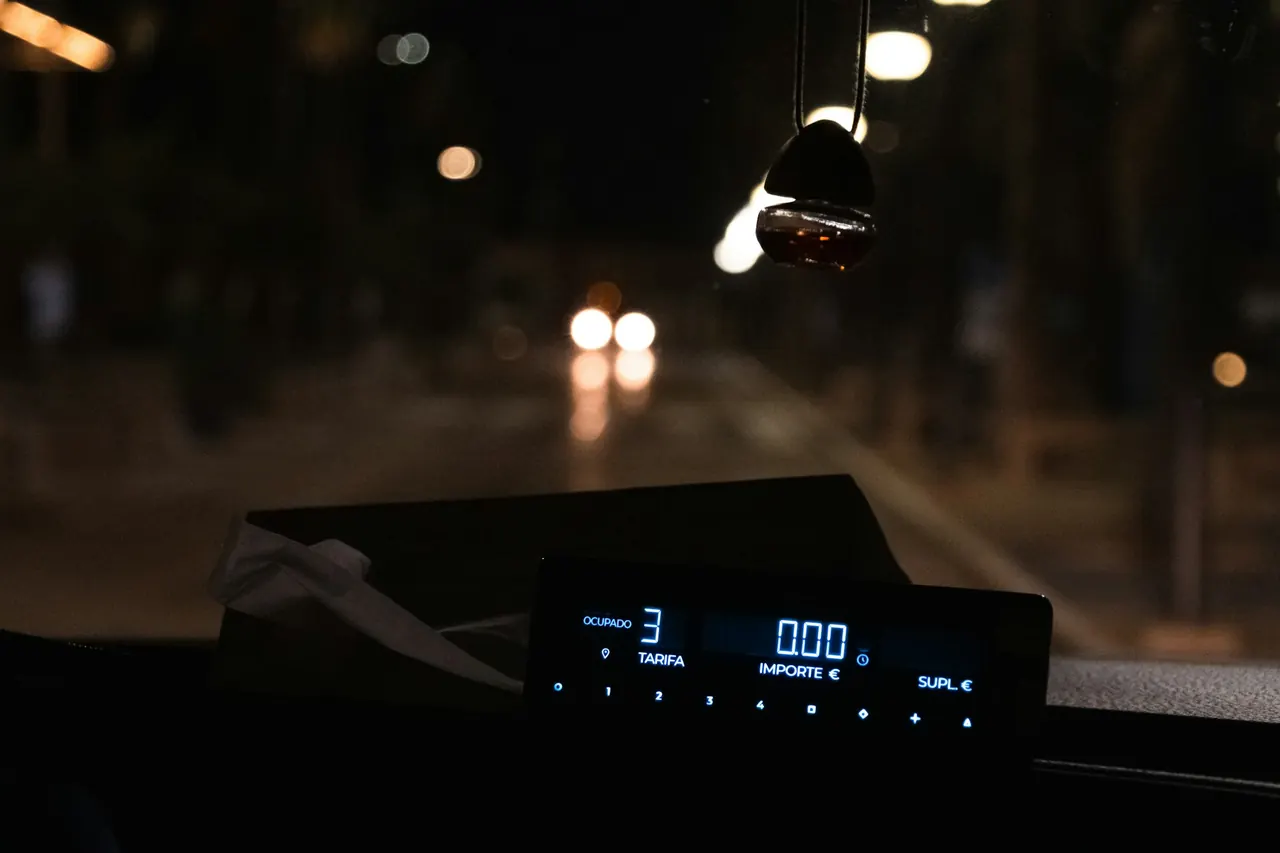
If a driver refuses the agreed fare, stay calm, show your proof, and do not argue in an empty place. Pay a fair amount only if you feel safe, note the car number and report it. Call 113 if threatened.
Stay calm, keep your voice level and show proof of the agreed price, whether that is a chat message, an app booking or the meter. Do not argue in an empty place. If you feel safe, pay a fair amount, note the car number and leave. If the driver blocks you or turns aggressive, do not pay extra and call the police on 113.
How do I stay calm and avoid escalation?
Keep your voice low, your hands visible and your tone friendly, because a calm traveller gets better results than an angry one.
For the most part, taxi drivers working on Phu Quoc are honest, and a fare dispute is often a misunderstanding about the price, the route or the currency. Treat it as one first.
Steps that keep things calm:
- say the agreed price once, clearly, and show your proof
- avoid shouting, threats and insults, which can turn a dispute into a danger
- stay in the car only if you are in a busy, well-lit area
- keep your phone in your hand and your bag close
- do not step out in a quiet place and leave your belongings in the car
If the driver is polite but firm, you can offer a short, neutral line: “We agreed this price, here is the message.” Repeat it, rather than escalating. If the driver becomes angry, stop the conversation and think about your safety instead of the money.
What counts as proof of the agreed price?
Anything written or visible that shows the figure and the time you agreed it is proof, and the more of it you have, the stronger your position.
Good forms of proof are:
- a chat message from the driver or the operator that states the price
- an app booking that fixed the fare in the app before you got in
- a photo of the meter showing the fare at the end of the ride
- a photo of the car number and the driver’s ID card
- your own notes of the agreed destination and time
Booking through a ride-hailing app fixes the fare in the app before you get in, which gives you a clear number to point to. With a metered taxi, check the meter is running and note the car number. That is your proof at the end.
If you agreed the price by speaking only, there is nothing in writing, and a disagreement is harder to settle. Next time, ask the driver to put the price in a message before the car moves. We arrange rides with local partners and confirm the exact price in the chat before you pay, so there is always a written number.
When should I pay and when should I leave?
Pay a fair amount when you feel safe, and leave without paying extra when you are blocked, threatened or taken somewhere secluded.
Think about it in two situations.
You feel safe. You are in a busy place, the driver is arguing but not threatening you, and the dispute is about money. Offer the agreed price, take a photo of the car and the number, and walk away. A small extra payment can be cheaper than a long argument, but do not feel forced to give more than a fair amount.
You feel unsafe. The car is in a quiet or secluded place, the doors are locked, or the driver is aggressive. Some scheming drivers take riders somewhere secluded and then demand an exorbitant fare to return. Do not hand over extra money you cannot afford to lose. Call the police on 113, share your location with someone you trust, and put your safety before the fare.
One more case needs care. If a driver says the meter is broken, treat it as a warning sign. Local sources advise getting out of the taxi. If a driver insists on a flat airport price that is more than double the app quote, walk to the official rank or open a ride-hailing app.
When you step out, take your bag, phone and any items from the seat. If something stays behind, the steps in the guide linked at the end of this page will help you get it back.
Who do I contact: the company or the police?
Contact the taxi company for a fare dispute and the police for threats, theft or any situation where you feel unsafe.
For a normal dispute about price or route, the taxi company is the first contact. Give them the car number, the time, the pick-up and drop-off points, and a short description of what happened. A genuine company wants to know about a driver who behaves badly.
The police emergency number in Vietnam is 113. Use it when:
- the driver threatens you or blocks you from leaving
- you are taken somewhere secluded
- money, a phone or a bag is taken
- you feel in danger, even if no one has said anything
If you booked through an app, you can also report the driver inside the app, using the trip record. If you booked through us, message us on WhatsApp with the time and the car details, and we will help you take the next step with our local partners.
How do I avoid the problem next time?
Agree or confirm the price before the car moves, and keep proof of it.
A short routine at the start of each ride prevents most disputes:
| Step | What to do |
|---|---|
| Show the destination | Use a maps app and point to the exact place |
| Confirm the price method | Meter on, or a fixed price in writing |
| Note the car | Car number and company name on the door |
| Watch the start | Make sure the meter runs from the opening fare |
| Keep proof | Screenshot, photo of the meter, chat message |
If the airport is your starting point, remember that touts may offer a flat price far above what an app shows. Walk to the official rank or order a ride yourself.
Read recent online reviews of any hire or tour before you pay. They usually show complaints about a specific trick first, which tells you what to watch for.
What to do next
Learn how the taxi meter works so you can spot a problem in the first minute, and read the guide to common taxi scams to know the other tricks. If you leave something behind in a hurry, follow the steps for a phone or passport left in a taxi.
Want a price in writing before the ride? Message us on WhatsApp. We arrange it with local partners and confirm the exact price in the chat before you pay.
Frequently asked questions
What should I do if a taxi driver wants more than the agreed price?
How can I prove the price we agreed?
Should I pay or walk away?
What if the driver says the meter is broken?
Who should I report a fare dispute to?
How can I avoid this problem on my next ride?
Read next
- Guides
Taxi Scams on Phu Quoc and How to Avoid Them
Most Phu Quoc drivers are honest. The tricks reported are rigged meters, inflated flat prices and fake or unmarked cars, mostly around the airport. Check the meter, the car and the route before you commit.
Read → -
 Guides
Taxi Meter on Phu Quoc: How It Works and How to Check
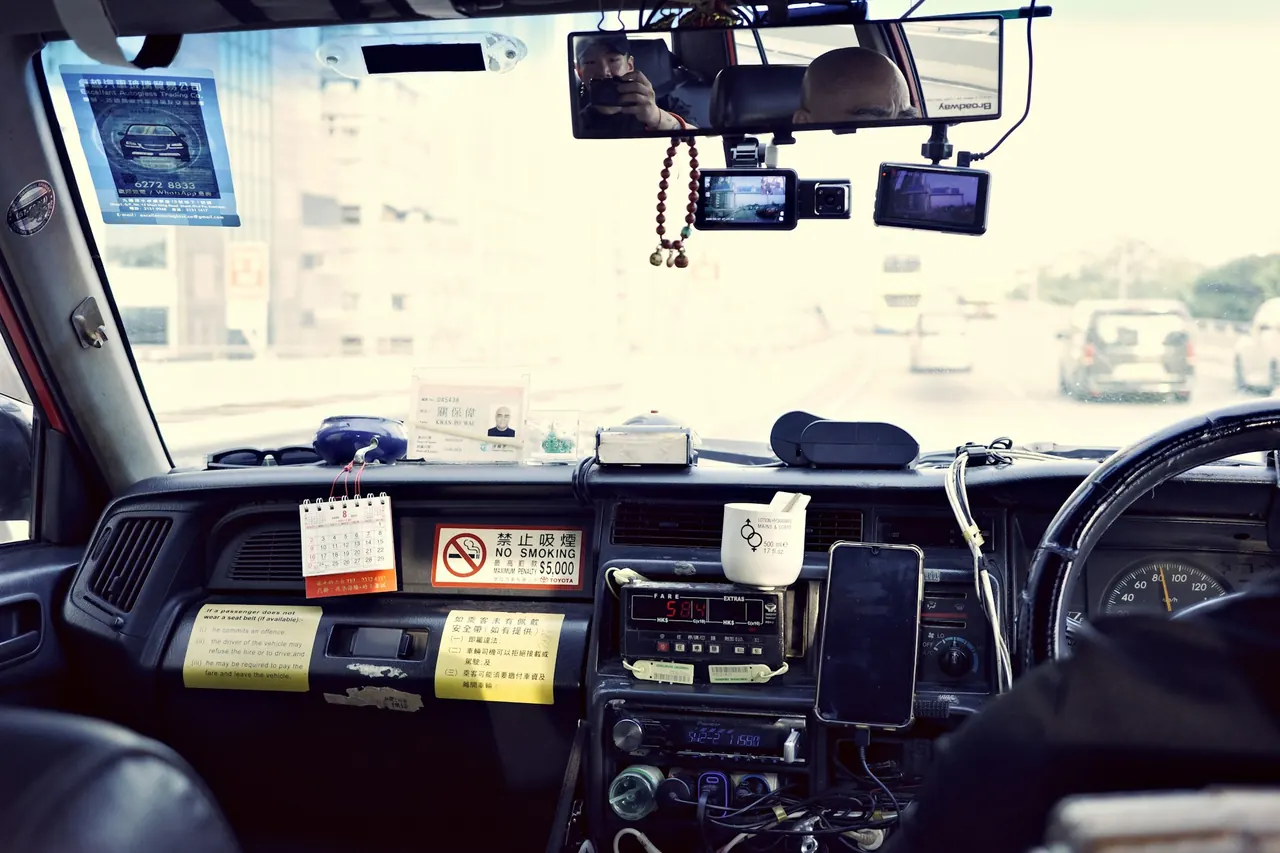
Most Phu Quoc taxis use a meter that should start at the opening fare when the ride begins. Check it is running before the car moves, watch it closely at the start and follow the route on a map.
Read → -
 Guides
Phone or Passport Left in a Taxi on Phu Quoc: Steps
Act at once. Lock or track the phone, contact the taxi company or the ride-hailing app with your trip details, be ready to prove ownership, and go to the police for a passport or if the item is not returned.
Read →